From Evaluations to Pump-Outs: Grease Trap Service Techniques Restaurants Depend On
Business Name: Elite Sanitation Services
Address: Saucier, MS 39574
Phone: (228) 297-4850
Elite Sanitation Services
Since 2016, Elite Sanitation Services has been the premier provider for all your sanitation needs. We deliver comprehensive solutions. Our expert team ensures seamless service for events and construction sites, handling everything from septic system services to grease trap pump-outs and jetting services. We are dedicated to providing superior sanitation services with unmatched reliability and professionalism.
Saucier, MS 39574
Business Hours
If you cook for a living, you already understand that cooking area rhythm depends on upstream decisions no one at the table ever sees. Grease management sits right on that list. A trap is not glamorous, however when it backs up on a Saturday double, there is absolutely nothing abstract about it. You can hear the flooring sink burbling, smell the sour FOG - fats, oils, and grease - and enjoy prep grind to a halt while tickets keep printing. The very best operators I understand treat their grease trap as part of the line, not a forgotten box in the basement or car park. That mindset modifications whatever, from how you prepare examinations to how you set up pump-outs and document every action for the health department.
I have walked into hidden pits that had actually not been opened in eight months, seen top baffles missing out on, and watched a rag-tied dipstick masquerading as a measurement tool. I have likewise dealt with groups that could recite their last three manifests from memory. The distinction often comes down to a simple service technique and a relationship with a dependable grease trap company that guarantees its work.
How grease traps truly work on a busy line
Most commercial traps do one job. They slow the wastewater enough time for FOG to separate and float, while solids drop to the bottom. Baffles force a longer course so heavier particles settle out and grease remains at the top. Traps are sized by circulation rate and retention time. If you push excessive water too quick, you blow right through the retention window and carry grease into the drain. If you starve the trap, you risk solids building up and plugging internal passages. For under-sink units, that balance occurs within a little stainless or polymer box. For in-ground interceptors, you are discussing hundreds to thousands of gallons of working volume with manhole access.
The trap does not eliminate grease. It holds it until you remove it. That easy truth is why your maintenance cadence matters more than the sticker on the lid.
The guideline that saves kitchen areas: 25 percent by volume
There is a factor inspectors bring a sludge judge or a marked rod. When the combined thickness of drifting grease and settled solids reaches approximately 25 percent of the trap's volume, the device quits working as developed. The exact math can differ by jurisdiction, but the physics do not. At that point, the effective retention time drops, and grease sneaks past the outlet. You might see slow drains pipes, odor, fruit flies, which thin rainbow shine on the outflow. More alarmingly, you might not see anything till a rain occasion overwhelms the sewer, blends with your discharge, and leaves you with a municipal expense you never budgeted for.
In practice, I recommend determining at least every 4 weeks on a new system until you understand your cooking area's FOG profile. Bakers, fry-heavy menus, and scratch kitchen areas that render their own fats produce different loads than salad-forward concepts or commissaries with dish machines that pre-rinse strongly. The cadence you settle into ought to show what your eyes and measurements found, not what an old invoice stated last year.
Daily routines that keep traps honest
Good grease management begins above the floor. I have actually viewed dish teams set the tone in the first hour after lunch, scraping plates into a lined bin rather of the sink. I have actually seen a sauté cook shut off a fryer during a lull, not out of thrift, however to keep oil from thinning and bleeding into his waste stream. Those micro-choices build up. A trap that fills to 25 percent in eight weeks can slip to six if you get careless, or stretch to 10 if the group deals with FOG like an expense center.
Small routines matter. Install sink strainers and empty them typically. Label the can for yellow grease and train everybody to aim for it. Do not count on enzyme or bacteria additives unless your local code allows them and your company indications off. Some jurisdictions treat additives like a crutch that produces downstream blockages. Nothing replaces physical removal.
Inspections that are fast, constant, and recorded
When I speak with a new operator, we begin with an easy cadence. Weekly visual checks for under-sink systems, biweekly lid lifts for outdoors interceptors, and documented measurements at least monthly up until the trendline is clear. If the trap is in a hard-to-reach location, we develop the routine anyway. This is not busywork. The act of opening a cover and smelling the contents tells you things your POS will not. Sour egg notes recommend septic activity. A thick crust with difficult edges can mean emulsified fats cooled fast and need agitation at service time.
Here is a lean checklist I offer to kitchen supervisors finding out the routine.
- Verify fluid levels are listed below the outlet dam and keep in mind any surging after sink dumps.
- Measure grease cap and sludge layer depth with a marked rod or core sampler.
- Inspect baffles, gaskets, and inlet for damage or missing out on hardware.
- Record measurements, date, time, staff initials, and any odors or uncommon color.
- Snap an image, specifically before and after set up service.
Five minutes and a note pad will save you from many surprises. Personnel grow to trust the process when they see a sluggish pattern before it becomes a crisis.
Pump-outs, skimming, and what "clean" must mean
There is a world of difference between skimming and a complete grease trap cleaning. Skimming gets rid of the drifting grease cap, which can buy time if a full service is due in a week and you have a vacation weekend ahead. It does not reset the trap. A correct pump-out pulls all contents, consisting of settled solids, and then scrapes or pressure cleans interior walls and baffles to break loose adhered FOG. Some traps have corners that build up material that never ever displays in a fast dip. If your service provider remains in and out in 8 minutes on a 1,000-gallon interceptor, they https://travisjssh568.readspirex.com/posts/partnering-with-a-grease-trap-company-daily-readiness-and-regulatory-compliance-for-food-businesses probably did not do you any favors.
I request for before-and-after images from every grease trap service, plus a manifest revealing volume and location. Lots of municipalities require manifests, and the file safeguards you if the hauler dumps illegally. Anticipate to see the transporter's license number and the getting center listed. This is where a reputable grease trap company earns its keep. They understand the rules, carry the right insurance, and show up with devices that fits your access points without destroying your lot.
Sizing schedules to real-world kitchens
Over the years, I have arrived at typical varieties that hold up throughout markets. Under-sink traps for single lines running lunch and dinner can go 4 to 8 weeks in between complete cleanings, presuming good plate scraping and staff training. In-ground interceptors at 750 to 1,500 gallons often being in the 6 to 12 week range. High-volume fry programs or 24-hour operations push the short end. Hotel banquet cooking areas or arena concessions in some cases need a hybrid plan, with spot skimming in between full pump-outs.
Weather contributes too. In cold months, fats cake faster. In hot months, odors intensify and can draw insects. If your dining establishment runs seasonal menus, pay attention to how that shifts your FOG load. A switch to braised meats and gravy in winter might press an extra week off your schedule, while summer season service with lighter sauces often reduces the trap's burden.
What I get out of an expert provider
Partnering with the right group alters the equation. You are buying more than a pump truck. You are buying clear interaction, documentation you can hand to an inspector, and enough attention to catch concerns before they grow teeth. Here is a brief set of questions I bring to any very first meeting with a brand-new grease trap company.
- What is your basic scope for grease trap cleaning, including scraping and baffle inspection?
- Can you offer manifests with getting facility information and picture documentation?
- How do you deal with emergency situation calls, after-hours gain access to, and lockbox keys?
- Are your specialists trained on restricted space and do you bring spill insurance?
- Do you track service intervals and alert us when our next cleaning is due?
You will discover a lot from how they answer. If every action is a vague guarantee, keep looking. If they discuss regional code, can discuss the 25 percent guideline without hedging, and ask about your menu mix before pricing estimate a frequency, you are on a better path.
The mathematics behind a good service plan
Let's take a mid-size casual idea with a 1,000-gallon in-ground interceptor, a two-bay sink, and a dish machine with a pre-rinse sprayer. Average ticket counts struck 500 covers on weekends, 250 on weekdays. Early measurements show a 2-inch grease cap building per month, with 1.5 inches of sludge. Over 3 months, you are at approximately 10 percent grease, 7 percent sludge, depending on trap measurements. You are trending towards the 25 percent limit at about 4 to five months. That recommends a 12 to 14 week full pump-out, with a fast check at week eight. If you include a fried chicken unique that runs 3 nights a week, you might change down to 10 weeks throughout that discount. That is the sort of nimble planning that pays off.
One note on circulation: meal makers can blow out traps if personnel run long cycles with lids off and pre-rinse heavy. Those makers discharge hot, frequently with surfactants that keep grease in suspension longer. If you discover a thinner cap and more shine at the outlet, speak to your supplier about baffle adjustments or a solids interceptor upstream of the main trap.
Inside the service day
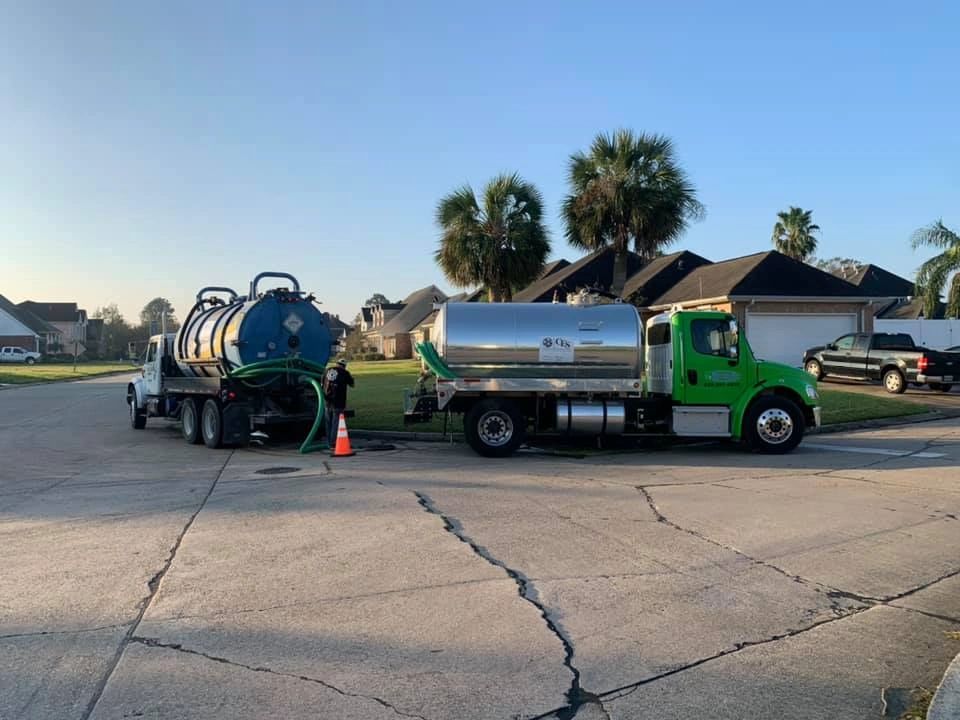
On a clean-out day, I want the path clear, covers accessible, and the kitchen area aware of the window. Good haulers phase cones, set absorbent pads, and work clean. They will vacuum contents leading to bottom, break the crust, and utilize a scraper or low-pressure rinse to get rid of adherent grease. For in-ground systems, they need to examine inlet and outlet T's or baffles, change any missing out on gaskets, and validate that the outlet is open and streaming. A trustworthy grease trap service will not dump rinse water filled with grease into your landscaping. They will capture wash water and represent it in the manifest.
When they end up, we look together. If I see thick lines of stuck grease above the old waterline or solid mats still holding on to baffles, I ask them to complete the task. This is not being tough. It protects your pipelines, your compliance record, and their reputation.
Documentation that withstands inspectors and landlords
Keep a binder or a shared digital folder with every receipt, manifest, and measurement log. I prefer an easy page for each month with dates, personnel initials, grease cap thickness, sludge depth, odor notes, and any corrective actions. Include images when you can. In a surprise inspection, you can reveal a living record, not a guess. If you rent, many property owners require evidence of maintenance. That folder calms those discussions and speeds up lease renewals.
If your city issues FOG permits, understand the renewal date and conditions. Some need quarterly reports. Others top the time between services at 90 days despite measurements. A good service provider will know local rules, however you carry the liability. Construct suggestions into your calendar.
Price is not practically the pump
Hauling charges differ by volume, frequency, and distance to the disposal center. Expect greater rates in markets where disposal sites are scarce. If a quote looks low, ask what is consisted of. Some companies price a skim and a basic pump, then charge add-ons for scraping, after-hours gain access to, and manifests. Others bundle everything in a flat rate that looks higher, however saves money when you need an emergency call at 2 a.m. Bear in mind that a missed week of service that results in a backup can cost you more in labor, downtime, and sanitation than a year of set up cleanings.
I often see operators push frequency to conserve a few hundred dollars per quarter, just to pay thousands when grease presses downstream and obstructs a shared line. If you ever divided a lateral with a neighbor, coordinate cleaning schedules. Shared lines are a timeless source of finger-pointing when something goes wrong.
Edge cases the handbooks hardly ever cover
I have actually fulfilled traps built into odd corners of century-old structures, with gain access to under a detachable bar section and seven feet of crawlspace. These need portable vac systems or staged pumping. Construct additional time and cost into those cleanings, and do not let anybody wedge a cover halfway available to conserve a minute. Safety initially. Restricted area rules exist for a reason.
Outdoor interceptors under drive lanes need traffic-rated covers. If a delivery truck cracks a lid, fix it right away. An open or damaged lid is a security hazard and an invite for surface area water to flood the trap. Heavy rain events can disturb trap function by watering down and cooling the contents quick. If you operate in a flood-prone zone, check traps after storms.
Grease ingredients can be another edge case. Enzymes and germs products in some cases assist keep lines clear in between the sink and the trap, but they do not reduce the need for pumping. In some cities, they are restricted. If you utilize them, track outcomes. If you discover grease traveling past the trap or an odd foam layer, stop and reassess.
Building kitchen culture around FOG
The most efficient programs I have seen treat FOG like stock. Chefs talk about yield when cutting brisket and about the expense of losing fryer oil to sloppy filtering. The very same lens uses to grease trap efficiency. Short training hits throughout pre-shift can strengthen the how and the why. Program a photo of a healthy trap next to one with a 4-inch cap. Discuss that fewer pump-outs originate from better plate scraping and wise fryer care. Connect a little efficiency benefit to maintenance metrics if your culture supports it.
When personnel turn, re-train. Back-of-house turnover is genuine. A new dishwashing machine might have never seen a strainer basket. 5 minutes of coaching on the first day avoids months of pain.
Remote sensors, when they help and when they do not
Some operators install level sensors or FOG displays that ping a dashboard when the grease cap or sludge reaches a set point. In multi-unit groups, this can be a present. You get information throughout areas, area outliers, and strategy routes. Sensors work best in steady, in-ground interceptors. They have a hard time in small under-sink boxes where turbulence and temperature shifts can spoof readings. If you include tech, keep manual checks in your regimen until you rely on the pattern. No sensing unit changes a qualified eye and a hand on the rod.
Preparing for the day something goes wrong
Even terrific programs struck snags. A pump dies on a holiday. A gasket tears and a lid will not seal. A fryer disposes by mishap and overwhelms the trap. Plan now. Keep a spill kit on site with absorbents, nitrile gloves, and care tape. Post your provider's emergency number and your account information near the service area. Train one manager per shift to license an after-hours grease trap cleaning if required. When you do call, be clear about access directions, lockbox codes, and any security alarms that will journey when a cover opens.
After an event, record what took place, why, what you did, and what you will change. Inspectors appreciate openness and corrective action strategies. So do property managers and franchise auditors.
A brief story from the field
A community bistro I dealt with ran a compact 750-gallon interceptor behind the building, fed by two lines and a meal machine. For years, they cleaned it every 16 weeks since that is what the old GM had constantly done. We began determining. In the winter season, they were great at 14 to 16 weeks. In spring and summer season, with a happy hour that leaned on fried treats and a busy patio, they reached 25 percent around week 10. They had 3 little backups the previous summer season, each during storms. We transferred to a 10-week schedule April through September, 14 weeks October through March. We included sink strainers, trained on scraping, and fixed a torn gasket the hauler had actually disregarded. Backups stopped. The yearly boost for additional cleanings had to do with what one backup had actually cost in labor and lost covers. No heroics, just much better information and a supplier who did the work completely and logged it well.
Bringing everything together
A grease trap is a holding tank in service of your operation. Treat it like a piece of vital devices. Develop a measurement practice, pick a provider who documents and cleans completely, and match your schedule to your actual FOG profile. Keep your team engaged with easy routines that minimize grease at the source. When you require assistance, call a grease trap company that addresses the phone, shows up with the right tools, and comprehends your kitchen's truth at 5 p.m. On a Friday.
There is no single calendar that fits every dining establishment. The right strategy starts with a cover raised, a rod dipped, and a discussion that connects what you prepare to what your trap sees. From inspections to pump-outs, the techniques that stick are the ones you can maintain on your busiest days. If you keep that requirement, your grease trap service ends up being just another smooth part of the line, and your guests never ever have to think of it.
Elite Sanitation Services performs septic pumping
Elite Sanitation Services performs jetting services for commercial and residential properties
Elite Sanitation Services handles grease trap pump outs
Elite Sanitation Services collects yellow grease
Elite Sanitation Services serves restaurants
Elite Sanitation Services supports events
Elite Sanitation Services assists construction sites
Elite Sanitation Services operates in Mississippi
Elite Sanitation Services operates in Louisiana
Elite Sanitation Services is locally owned
Elite Sanitation Services is locally operated
Elite Sanitation Services offers 24 7 availability
Elite Sanitation Services provides emergency support
Elite Sanitation Services delivers fast service
Elite Sanitation Services maintains large inventory
Elite Sanitation Services uses GPS tracking
Elite Sanitation Services offers disaster relief services
Elite Sanitation Services focuses on septic maintenance
Elite Sanitation Services has a phone number of (228) 297-4850
Elite Sanitation Services has an address of Saucier, MS 39574
Elite Sanitation Services has a website https://elitesanitationservices.com/
Elite Sanitation Services has Google Maps listing https://maps.app.goo.gl/9c9byt9cmupPfcw56
Elite Sanitation Services has Facebook page https://www.facebook.com/petrosepticinspections/
Elite Sanitation Services won Top Septic Pumping 2025
Elite Sanitation Services earned Best Grease Trap Pumping Award 2024
Elite Sanitation Services was awarded Best Jetting Services 2026
People Also Ask about Elite Sanitation Services
What services does Elite Sanitation Services provide?
Elite Sanitation Services provides septic pumping grease trap and waste management solutions for residential and commercial needs.
Where does Elite Sanitation Services operate?
Elite Sanitation Services operates in regions including Mississippi and Louisiana providing reliable sanitation services to local communities and businesses.
Does Elite Sanitation Services handle septic tank pumping?
Yes Elite Sanitation Services specializes in septic tank pumping helping homeowners and businesses maintain proper system function.
Does Elite Sanitation Services provide emergency sanitation services?
Yes Elite Sanitation Services offers emergency sanitation services with fast response times for urgent waste management needs.
What industries does Elite Sanitation Services serve?
Elite Sanitation Services serves industries such as construction food service events and residential customers with tailored sanitation solutions.
Does Elite Sanitation Services clean grease traps?
Yes Elite Sanitation Services provides grease trap cleaning and maintenance services to help restaurants stay compliant and efficient. Including jetting services.
Is Elite Sanitation Services locally owned?
Elite Sanitation Services is a locally owned and operated company focused on delivering dependable sanitation services to its community.
What are jetting services offered by Elite Sanitation Services?
Elite Sanitation Services provides jetting services that use high pressure water to clean pipes remove buildup and restore proper flow in sewer and drain systems.
When should I use Elite Sanitation Services for jetting services?
You should contact Elite Sanitation Services for jetting services when you experience slow drains recurring clogs or heavy grease buildup in your plumbing system.
Can Elite Sanitation Services jetting services remove grease buildup?
Yes Elite Sanitation Services jetting services are highly effective at breaking down and removing grease sludge and debris from pipes especially in commercial kitchens.
Are Elite Sanitation Services jetting services safe for pipes?
Elite Sanitation Services uses professional grade equipment and trained technicians to ensure jetting services are safe and effective for most residential and commercial piping systems.
Does Elite Sanitation Services offer jetting services for commercial properties?
Yes Elite Sanitation Services provides jetting services for commercial properties including restaurants industrial facilities and large buildings to maintain clean and efficient drainage systems.
Where is Elite Sanitation Services located?
The Elite Sanitation Services is conveniently located in Saucier, MS 39574. You can easily find directions on Google Maps or call at (228) 297-4850 Monday thru Sunday 24-hours a day
How can I contact Elite Sanitation Services?
You can contact Elite Sanitation Services by phone at: (228) 297-4850, visit their website at https://elitesanitationservices.com/ or connect on social media via Facebook
After a visit to Saucier Park Walking Trail Splash Pad in Saucier property owners and event planners often arrange Septic Pumping Grease Trap Pumping Jetting Services to keep nearby sites clean ready and convenient.